What Record-Breaking Spending Reveals
According to related reports published in 2026, foreign patients’ spending at dermatology clinics increased by 54.9% year over year, with average spending per procedure estimated at approximately KRW 1.44 million. Reports also cited the total value of foreign medical tourism spending at KRW 12 trillion, reflecting how Korean dermatology has become not simply a beauty service experienced during travel, but a medical option that requires a treatment plan and recovery care.
However, market size or the name of a popular procedure alone cannot determine the right treatment for an individual. Even concerns such as loss of firmness or dullness require different approaches depending on skin thickness, changes in the fat layer, pigmentation depth, inflammatory response, and lifestyle environment.
Diagnosis First
We first determine whether the visible concern and its underlying cause are the same.
Schedule First
Your length of stay and expected recovery process are incorporated into the treatment plan.
Continuity of Care
You receive guidance in advance on the care standards to follow after returning home.
How to Interpret the Numbers
Medical tourism statistics may combine different criteria, including the number of payments, medical specialties, reasons for visits, and total spending. Average spending per dermatology procedure should not be interpreted as equivalent to total spending by international medical tourists. Statistics can indicate trends in demand, but they do not predict an individual’s treatment needs or outcomes.
The reasons international visitors seek dermatology care in Korea also cannot be reduced to a single factor. Some wish to address everyday skin concerns such as acne and pigmentation, while others seek consultation for age-related changes in skin elasticity. Others may schedule soothing or brightening care around their travel itinerary.
| What to Consider | What Medical Tourism Statistics Show | What to Confirm During an Individual Consultation |
|---|---|---|
| Spending Scale | Changes in international demand and interest in Korean dermatology care | Whether treatment is needed for your skin and the appropriate scope of care |
| Average Spending | Average payment levels within the reporting criteria | An individualized plan based on diagnosis, treatment combination, and number of sessions |
| Popular Procedures | Search and visit demand by period | Suitability based on skin layers, direction of laxity, and pigmentation or inflammation status |
| Visit Schedule | Increasing demand for short-term stays | Potential swelling or redness, as well as plans for flying and post-return care |
The standard of premium care is not about adding more treatments at once. It is about selecting the care that is needed and, when similar outcomes are expected, considering both the burden on the skin and the recovery process.
Skin Concerns International Patients Commonly Raise
Common concerns discussed during consultations are often broad, such as “My skin looks tired,” “My facial contours have become less defined,” or “Pigmentation does not fully cover with makeup.” Rather than immediately linking these concerns to a specific device or procedure, it is important to identify the underlying cause.
- For reduced elasticity, we assess changes in dermal elasticity, skin laxity, movement of the fat layer, and overall facial contour balance.
- For pigmentation, melasma, and dark spots, we evaluate the distribution and depth of discoloration, the skin’s response to irritation, and sun-exposure habits.
- For acne and scars, the treatment sequence differs depending on whether active inflammation remains and whether redness or depressed scars are the primary concern.
- Sensitive Skin and Rosacea may involve a weakened skin barrier or vascular reactions that are not simply caused by dryness.
At Oganacell Dermatology Clinic, a Board-Certified Dermatologist personally evaluates and oversees the full consultation and treatment process. For lifting and anti-aging consultations, treatment planning is based on your skin condition, goals, and available recovery time—not on trends in individual devices such as Thermage FLX, Ulthera Prime, InMode, Linear Z, ONDA Lifting, or Thread Lift. For pigmentation, acne, and Sensitive Skin concerns, we also determine the priorities of Skin Revision before recommending only the care that is needed.
A procedure name is simply a treatment tool. Choosing an option that does not suit the cause of your concern or your schedule may reduce satisfaction and lead to unnecessary recovery time.
For a Short Stay in Seoul, How Should You Plan the Order of Treatments?
For international patients, skin condition before departure is just as important as changes seen on the day of treatment. If you have an important event, a long-haul flight, or significant sun exposure planned, the treatment intensity and timing may need to be adjusted. Swelling, redness, dryness, bruising, and peeling can vary depending on the type of treatment and your individual skin response.
Organize Your Pre-Travel Information
Prepare details about your primary skin concerns, previous treatment history, allergies and medications, departure date, and important upcoming plans. Rather than expecting a definitive diagnosis from photographs alone, this helps identify what should be assessed during your in-person consultation.
In-Person Skin Assessment
A Board-Certified Dermatologist will assess your skin condition and primary concerns. When several concerns overlap, it may be more appropriate to first stabilize inflammation or sensitivity rather than focus on immediate improvement.
Establish the Treatment Scope and Recovery Plan
Treatments that can be performed during your stay are distinguished from care that should be continued after you return home. Some cases may be suitable for same-day soothing care, while others may be better scheduled after allowing sufficient recovery time.
Review Post-Travel Care Guidelines
You will receive guidance on sun protection, moisturization, when to resume cleansing and makeup, and how long to avoid heat-related triggers such as exercise, alcohol, and saunas. If you experience unusually severe pain, persistent swelling, blisters, or changes that may indicate infection, seek guidance from your medical provider without delay.
How to Reduce Language Barriers and Aftercare Concerns
In international medical tourism, clear communication is just as important as the technical aspects of treatment. Before a procedure, it is important to understand the expected changes and limitations. Afterward, you should be able to distinguish between temporary reactions and signs that require medical attention. Avoid giving consent without fully understanding the terminology or overlooking recovery signals due to travel schedules.
Oganacell Dermatology Clinic provides on-site interpretation services in Chinese, English, and Japanese to help reduce language barriers throughout consultations, procedure guidance, and post-return care. When considering lifting and anti-aging treatments in Cheongdam-dong, the priority should not simply be the availability of more than 40 types of authentic premium devices and advanced medical formulations, but receiving a clear explanation of which treatment is appropriate for your individual skin.
Skin condition can be affected by sleep, travel, climate, UV exposure, dietary habits, existing health conditions, and medications. Rather than planning to address every concern in a single visit, it is more practical to separate goals that can be addressed during your current trip from those that require long-term care. This approach can help support more natural and stable results.
Consistent Selection Criteria Amid Record Demand
The growth of medical tourism in Korean dermatology means there are now more options to choose from. At the same time, selecting treatment based solely on search volume, reviews, or the name of a well-known device can increase the likelihood of making a decision that does not suit your skin condition or travel schedule. For concerns with multiple contributing factors—such as lifting, pigmentation, and acne scars—the order of diagnosis can shape the direction of the outcome.
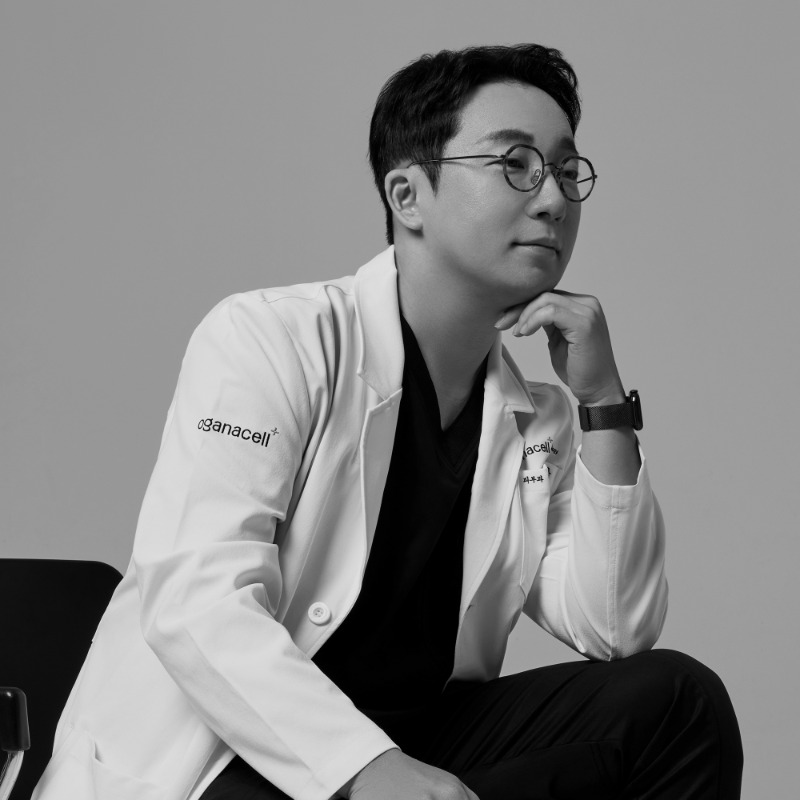
Rather than deciding on a procedure in advance, Chief Director Ogana and the Oganacell Dermatology Clinic medical team assess the necessity of treatment based on a Board-Certified Dermatologist’s diagnosis. A higher cost or a longer list of procedures does not necessarily mean better treatment. Considering skin tolerance, anticipated recovery time, travel plans, and long-term natural-looking results together helps determine the treatments that are truly needed—an appropriate standard for medical tourism.
Frequently Asked Questions for International Patients
Do statistics on increased dermatology spending among international visitors indicate my treatment results?
No. Increased spending and average treatment costs are indicators of market demand and do not guarantee an individual’s skin condition or treatment outcome. Even with the same treatment, results may vary depending on skin thickness, pigmentation depth, the presence of inflammation, lifestyle habits, and post-treatment care.
I will only be in Korea for a few days. Can I still receive a lifting treatment?
Eligibility depends on the type of treatment, your individual skin response, departure date, and plans following the procedure. Some treatments may cause swelling, redness, or bruising, so please inform us of any important events and flight plans before your consultation. For a short stay, we may first consider a treatment plan with minimal recovery requirements or adjust the timing of your procedure.
Can I expect better results by choosing a popular device?
It is difficult to determine suitability based on a device name alone. The treatment approach may differ depending on whether reduced elasticity is the primary concern or whether changes in the fat layer, skin dryness, or pigmentation concerns are also present. During consultation, it is more important to determine whether the treatment is appropriate for your skin condition and goals than to focus on the device’s popularity.
What should I check before flying after treatment?
You should receive guidance on expected redness, swelling, discomfort, and any necessary soothing care after treatment. During long flights, the skin may become dry, and you may need to avoid heat exposure, alcohol, or strenuous exercise. If you experience concerning symptoms before your flight, such as severe pain, rapidly worsening swelling, or blisters, please contact the medical team first.
What care is needed after I return home?
Depending on the treatment, recommendations may vary regarding sun protection, moisturization, avoiding irritating cosmetics and exfoliation, and when to resume cleansing and makeup. Follow the aftercare instructions provided and monitor your skin’s response. If changes outside the expected range persist, it is safer to seek guidance from the medical team rather than adding products on your own.